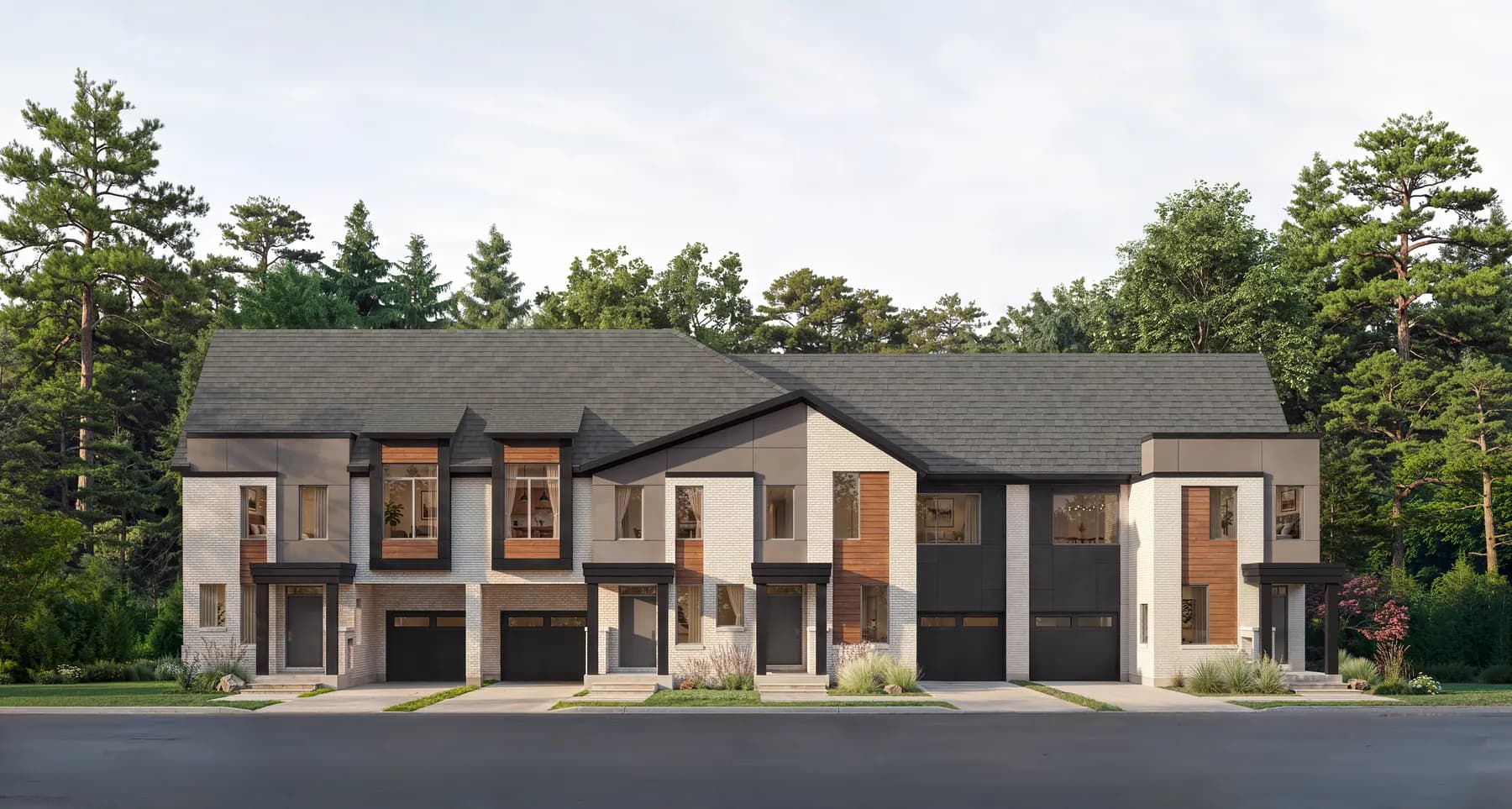
A townhome describes the shape of a home, but it does not tell you everything about ownership. Two similar-looking properties can have different arrangements for shared spaces, repairs and recurring charges. Five Oaks is advertised as a freehold community. When comparing it with a condominium townhome elsewhere in Oakville, look at the documents and responsibilities behind each choice as carefully as the rooms.
Start with the ownership documents
Ask your lawyer to identify exactly what you would own and which documents govern it. With a condominium, review the proposed or existing declaration, rules and other relevant documents. The Condominium Authority of Ontario explains that these materials help establish matters such as repairs, maintenance and restrictions. A photograph cannot answer those questions, and the word townhome does not settle the ownership structure.
For a freehold purchase, request confirmation of any shared roads, access rights, services or common-element arrangements attached to the property. Do not treat the word freehold as a complete answer about recurring charges. Have your adviser explain any obligations affecting the exact lot, including how you would receive notices or deal with a shared service problem.
Compare who arranges and pays for maintenance
Make a list of the work a home may need over time: snow removal, landscaping, exterior repairs, roofing, drainage and equipment servicing. Against each item, write who decides when it is done, who organizes the work and who pays. For a condominium, those answers depend on the governing documents. For a freehold property, review any shared arrangements alongside the responsibilities that remain with the owner.
Then consider your own preferences. Some households value choosing contractors and timing their own work. Others would rather pay for an organized service, provided they understand its scope and cost. Neither preference is a substitute for reading what the arrangement actually covers. A monthly charge is only meaningful when you know what you receive for it and what you must still budget separately.
Build a comparable monthly ownership plan
Use the same categories for both homes: mortgage payments, property taxes, insurance, utilities, recurring shared charges and a maintenance reserve. Add services you would buy privately if they are not provided. A home with no quoted condo fee still needs an allowance for upkeep. A home with a condo fee may also have expenses outside that fee.
Keep unknown amounts visible. If a tax figure, service charge or insurance quote is not confirmed, label it as an estimate and ask who can verify it. Comparing one home using complete costs and another using only the mortgage payment creates a misleading result. Your aim is a realistic plan for your household rather than a universal claim that one ownership type is cheaper.
Check how the rules affect your intended use
Consider the changes and activities that matter to you: exterior alterations, garden work, parking, pets, visitors or a future rental arrangement. Ask which documents and authorities govern each question. Avoid assuming that ownership automatically permits any alteration or use. Municipal requirements and property-specific obligations need their own review.
At Five Oaks, the Advantage collection includes advertised secondary-suite configurations. That is a reason to request the correct model documents, not a reason to assume every townhome can serve two households in the same way. If a suite is central to your plan, verify its configuration, inclusions and intended use before comparing it with another property.
Decide which arrangement fits your time and priorities
Imagine the ordinary tasks of ownership, not just move-in day. Who in your household would arrange an urgent repair? Would you want control over exterior work? Are shared amenities important enough that you would use them regularly? Write your answers alongside the financial comparison so the decision reflects both the cost and the work involved.
Finish with a short list of document questions for your lawyer and practical questions for the seller or builder. Compare homes using confirmed obligations rather than promises of faster appreciation or effortless maintenance. A suitable ownership arrangement is one you understand and can manage over time.
- Ownership structure confirmed for the exact property
- Shared services and recurring charges identified
- Repair responsibilities checked in the documents
- Monthly budget includes maintenance and insurance
- Intended alterations, parking and suite use reviewed
Sources & further reading
Prepared from the supplied October 2026 Five Oaks builder documents and the resources below. Project facts checked October 22, 2026. The practical comparison suggestions are Team Arora’s editorial guidance; confirm your home’s current details against its purchase documents.
Make the comparison personal
Have a Five Oaks question?
Ask Team Arora for the current model, lot and release details that match your household.
Request project information ↗